
If there's one thing that many aspiring writers have few clues about, it's the submission process. There are good reasons for that; authors aren't exactly encouraged to talk in detail about our own submission experiences, and - just like agent hunting - everyone's story is different. I managed to cobble together a few non-specific questions that some debut authors have agreed to answer (bless them). And so I bring you the submission interview series - Submission Hell - It's True. Yes, it's the SHIT.
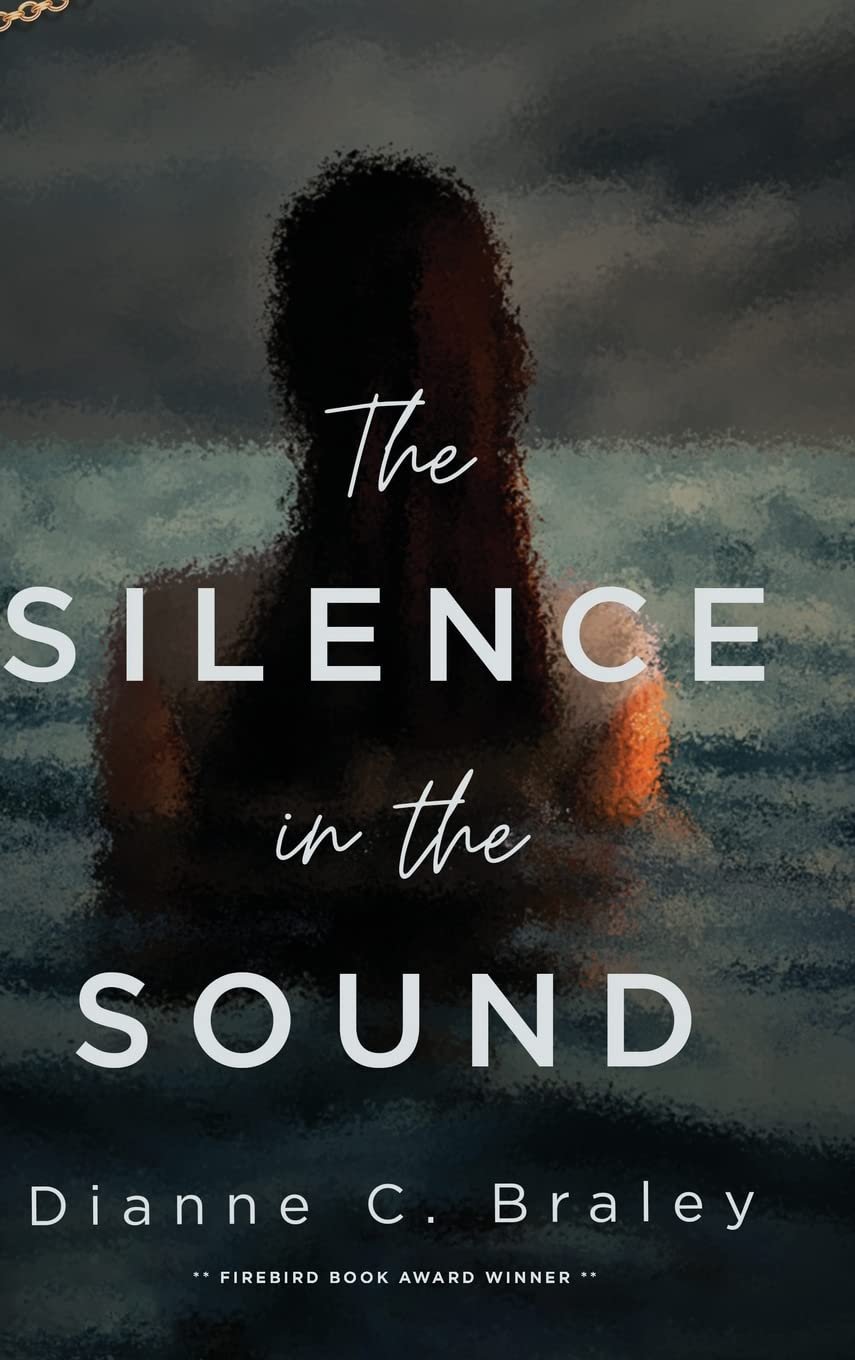
Today’s guest for the SHIT is Dianne C. Braley who is the author of The Silence in the Sound, a coming-of-age story woven with addiction, love, and celebrity.
How much did you know about the submission process before you were out on subs yourself?
The bare minimum! I swear I thought the biggest challenge was finishing the book. Many of us newbies think that the first agent/publisher will see that they just read the query for the next best seller once we submit. At least I did, and boy was I wrong!
Did anything about the process surprise you?
So much surprised me. It dumfounded me that I now had to write a query letter to pitch my book that felt as hard as it was to write it, which took nearly eight years and 500 revisions. Then there’s the synopsis, another mountain to climb and wait. . . every agent prefers different things sent and formatted in different ways. Some want the first three chapters in Chicago manual style and a synopsis, while others want nothing except a query, a list of comparable titles, a one-sentence pitch, and for you to stand on your head while waiting one year for them to respond and oh wait, they don’t guarantee any response even if they request your entire manuscript.
Did you research the editors you knew had your ms? Do you recommend doing that?
Yes, that’s another thing. Research the agents/editors you will submit to so you can personalize each submission to them. Make sure to spell their name correctly, please! I made that mistake once. While I didn’t notice if it made a difference or not, I think it’s always helpful to personalize an email. It gets their attention and lets them know you did your homework.
What was the average amount of time it took to hear back from editors?
It was so crazy during the pandemic, and so many agents/editors on Twitter would post how backlogged they were. Using Query Tracker, you can see where you are in their queue, and I recommend buying the subscription. I think it is $25 if I remember correctly. Although looking at that generally doesn’t do anything except drive you crazy about why they passed you and haven’t messaged you yet. For me, it was between one day and one year. I’m not lying or exaggerating. But on average, I’d say between four to six months.
What do you think is the best way for an author out on submission to deal with the anxiety?
Set up a separate email only for submissions; that way, you are notified only if an email hits that address. This will stop you from looking incessantly because of all the other emails you need to answer. Start your next project. Writing poetry, an essay, or a short story and submitting it to websites, magazines, etc., helps me. It’s fulfilling and quicker. It also keeps me distracted, and if something I sent gets picked up, it’s a little high and a small win. Fill your life with small wins while you wait for the big one.
If you had any rejections, how did you deal with that emotionally? How did this kind of rejection compare to query rejections?
Rejection in any form isn’t easy. When you get your first few rejections, it is gutting. I was a total wreck. Agents, as of late, aren’t providing much feedback being so busy, so it’s hard to know what you need to change. If they only requested the query, it’s that. Try a few more and consider tweaking it. If you sent opening pages, have some beta readers or critique partners take a look. I was lucky to have a decent number of full requests but still only had little feedback. It’s so hard. Feel your feelings but keep going! I eventually revised the timeline of my whole book. It gnawed at me, and I thought it might be better if I did, but I didn’t want to do it. Then after so many rejections, I had to, and it worked out for the best! Your work may get that much better from it.
If you got feedback on a rejection, how did you process it? How do you compare processing an editor’s feedback as compared to a beta reader’s?

I took it much harder when it was an agent or an editor. Beta readers are meant to help shape the work by providing feedback, while I felt like the agent/editor was the end of the road. I soon learned that’s not true either, but it can feel that way, and I guess you are on the road to the end if you exhaust all who take your genre.
It all depends on how they word it. Some agents/editors are abrupt and cutting, telling you quickly and short why your book isn’t for them—OUCH, it stings. But weirdly, it gets easier, or you get numb to it all. Take what they say and listen, see if it rings true. You may have to make some changes, and that’s okay but if it doesn’t resonate, stay true to your work.
When you got your YES! how did that feel? How did you find out – email, telephone, smoke signal?
I was in utter disbelief. I received an email from the acquisitions editor at a publisher who told me how much he loved my book. He went on and on, detailing all of what he liked and how it made him feel. I felt such a solid connection to this man as he seemed to “get” my work. We then scheduled a call with the publisher. It was supposed to be a casual call, and he asked me for a pitch of the novel. I panicked, thinking I was past this point as the editor had already read it! I didn’t do my best job, but the editor chimed in and saved me, speaking at length about what he felt the entirety of the work to be about. It was the first time I’d heard a two-sentence summary about my book that grasped it, and I felt I could speak to this statement all day long—told through the voice of Georgette. The Silence in the Sound is a provocative coming-of-age debut revealing the lasting effects of growing up in addiction. But it also demonstrates a young woman’s strength as she navigates friendship, love, and heartbreak while finding her hidden strength along the way.
Did you have to wait a period of time before sharing your big news, because of details being ironed out? Was that difficult?
Yes. Not long, but long enough. You never want to make any big announcement until a contract is in hand and signed. I told my husband and sister because I wouldn’t die if it fell through, and they knew. I’d need them to collapse on.
Dianne C. Braley is a registered nurse with a passion for music, poetry, and literature. Dianne has been featured in various online and printed publications, including Today’s Dietician and Scrubs Magazine. Her nursing blog, Nursing the Neighborhood, was named one of the top nursing blogs of 2018 by Nurse Recruiter.


