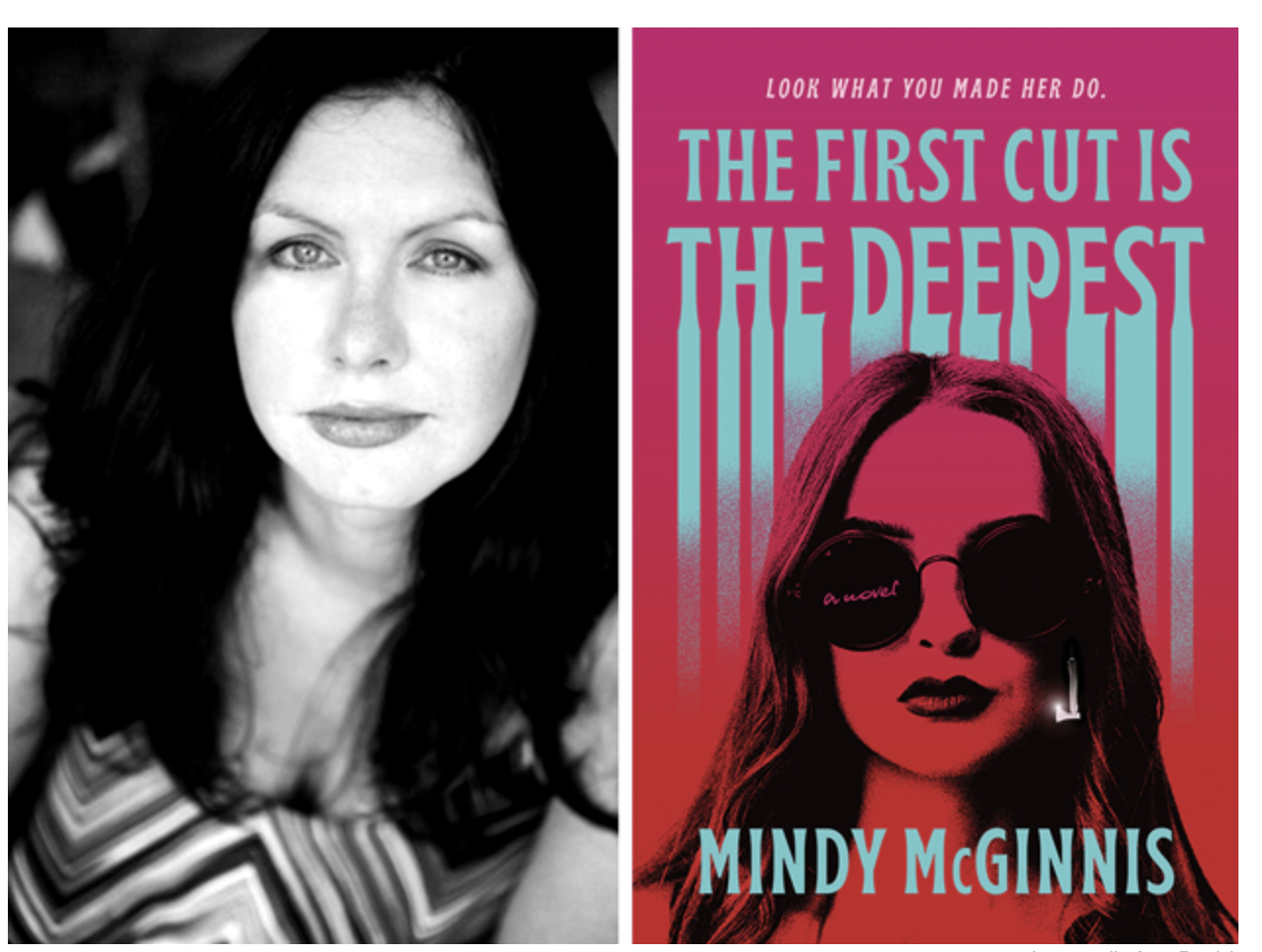
When I tell people that What Rough Beast is my first horror novel, they tend to smile and say, “No, it’s not.” For over a decade, I’ve written about taboo subjects: sexual assault, mental illness, addiction, and other things that make people uncomfortable. But one theme that runs through all of them is sexism.
This isn’t on purpose; it’s simply how it is.
One of my goals in writing is to represent the world—from the dramatic to daily life—as it actually is. The fact that misogyny creeps in regularly is a testament to how women, girls, and those who identify as female move through the world from the moment we wake up to the second we go back to sleep.
While many people would argue that all my prior novels could qualify as horror, this is the first that involves a paranormal element. Before What Rough Beast, my books dealt with the horror of how humans treat each other; and while the overarching threat in my new release comes from the otherworldly, it operates through people and the lies we tell ourselves to justify our actions.
Many of those actions are small—the joke we probably shouldn’t have told, the jab we didn’t necessarily need to take, the search history we deleted, the pictures in the hidden folder—all while we make the excuse that it was all in good fun, or what someone doesn’t know can’t hurt them. This isn’t to say that the actions are always malevolent. That’s the worst part; some of the time, they aren’t. While our society conditions girls and women girls to view our worth through our bodies, it is also training boys and men to see us through that lens—and that one alone—to the extent that misogyny slips into the everyday behaviors of males who mean no harm.
I have many male friends, most of whom I’ve known my entire life. One of them—a person I would qualify as a good man—read an early copy of What Rough Beast, then texted me to say he lost sleep over it. Not because it was gory, frightening, or too much, but because it made him think about his behavior toward women when he was younger. While he wouldn’t share specifics with me, what he did say was that he simply didn’t realize that what he had said or done was harmful because in his male sphere, at that time, it wasn’t. And therein lies the issue. Sexism—and the sexualization of women and girls—is prevalent to the extent that it has become normalized.
In What Rough Beast my main character, Ava, is ostracized because she calls out these behaviors. Instead of being rewarded for questioning the status quo, she’s asked to sit down, not to speak so loudly, or maybe just to get more comfortable with how the world actually is, and where she lives—the rural Midwest. When she refuses, her punishment goes beyond being excluded. The actions taken against her set off a series of events that bring together sexism, misogyny, and an ancient evil that’s been waiting underground for a reason to resurface.
Years ago, at a family Christmas party, my father was gifted a Sports Illustrated swimsuit calendar. It was passed around, the males joking, “Hmmm…. What day is Thanksgiving, again? Better check November!” Hilarious. So funny. Meanwhile, their wives, daughters, mothers, sisters, nieces, and cousins were being subjected to wildly exaggerated breasts and butts—and commentary about them—at a family gathering.
I hated it. What I hated more was that I was the only person who had a problem with it—or at least, I was the only one to say something. And when I did? I was “overreacting.” I was making people uncomfortable. This is from people I love, and I know they love me right back. They just wish I could be a little less on point about calling out normalized misogyny on the daily.
A version of that moment made its way into What Rough Beast as well, along with a multitude of other micro-aggressions that women and girls deal with on a daily basis, both in the real world and in every corner of the internet. There are days when it feels like nothing I do to push back makes a difference. When my old friend let me know that this book made him rethink his own actions—even 20 years later—it showed me that my words matter, my voice matters, and my books matter.
So I’m not going to be quiet—not until photos of nearly nude women being passed around at a family holiday isn’t considered normal. Not until women who speak up about it aren’t considered bitches.
It’s going to be a while. But I can talk a long time.